Care Guide for School Staff & Educators

Supporting busy educators with practical, conservative care
Teaching is physically and mentally demanding. Long days on your feet, time at desks or boards, grading, and managing classrooms all place real load on the body.
Sometimes discomfort creeps in slowly. Other times it shows up all at once.
This page is here to help you understand when it may be worth having something assessed – and what that assessment typically looks like.

Common Things Teachers Often Notice
Ongoing neck, shoulder, or upper‑back tension
Low‑back discomfort that builds through the day
Stiffness after sitting, standing, or being still for long periods
Headaches that feel tied to posture or stress
Not having any energy at the end of the day
Issues that settle during breaks, then return during the school year
These patterns don’t always mean something serious – but they can be signs that movement or load tolerance could be improved.

How a Chiropractic Assessment Can Help
Chiropractic care focuses on how your body is moving and managing daily demands.
An assessment is used to:
Look at joint movement and posture
Identify mechanical contributors to recurring discomfort
Talk through practical next steps
Decide together whether care is likely to be helpful
Care is conservative and education‑first.

What a First Visit Is Like
A first visit is about understanding what’s going on.
It typically includes:
Talking through symptoms and work demands
Assessing how your body moves
Discussing what appears to be contributing
Going over options – including when treatment isn’t needed
You should know:
An assessment doesn’t lock you into care
Treatment is only suggested when it makes sense
Questions are always welcome
Want to know more about what to expect and frequently asked questions?
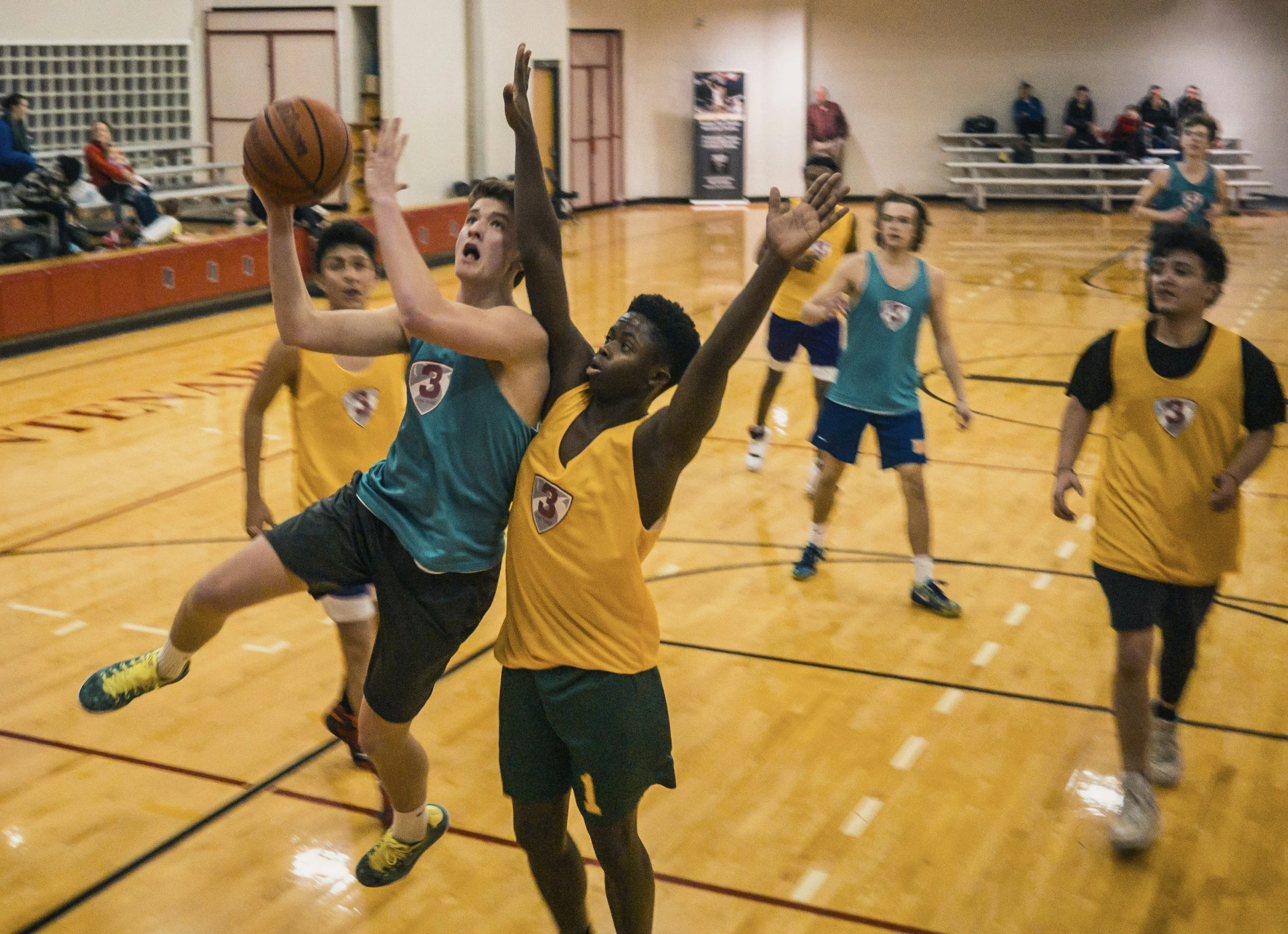

Community & School Support
Beyond individual care, chiropractors can also support schools, teams, and coaches through education and collaboration, such as:
Injury‑prevention and early‑identification sessions
Helping staff and coaches recognize issues before they become bigger problemse.g. How to differentiate a sprained ankle from a broken ankle, and what next steps should look like
e.g. What reoccurring shoulder pain might mean, and what you can do to keep it away
Support for school sport programs
Movement guidance and return‑to‑activity considerations for team sports and running programse.g. How to introduce and improve running form in kids
Concussion education and recognition training
Age‑appropriate education around symptoms, red flags, and recovery pathwaysPosture and load‑management discussions for classrooms and staff
Practical guidance around standing, desk work, grading, and long days on your feetShort Q&A or information sessions
Focused on movement, recovery, and staying active over the school yearFootwear or orthotics assessment
When lower‑limb mechanics may be contributing to recurring pain or injury
Curious to Learn More?
If you’d like to learn more or explore whether an assessment may be helpful:
Want to learn more about Dr. Marler and his approach?