Running Injuries
Helping runners recover, stay active, and build the strength to keep running
Runners usually do not want to be told to stop running.
And in many cases, “just stop running” is not the most useful answer.
Running injuries often need a more thoughtful approach: understanding what is irritated, adjusting training load, improving strength and mobility, and helping the body tolerate the demands of running again.
Dr. Ethan Marler, Chiropractor, works with runners using a function-focused, movement-based approach. The goal is to help patients recover while keeping their long-term running goals in mind.

Running is simple, but it is not easy on the body
Running looks straightforward, but physically it is demanding.
Unlike walking, running includes a flight phase where neither foot is on the ground. When you land, you are absorbing force on one leg at a time.
That means running requires:
single-leg strength,
hip stability,
ankle mobility,
calf capacity,
shin muscle strength,
foot and ankle control,
and the ability to handle repeated impact.
Many runners build running volume faster than their supporting tissues can tolerate. That does not mean running is bad. It means the body needs to be prepared for the demands being placed on it.


Common running injuries
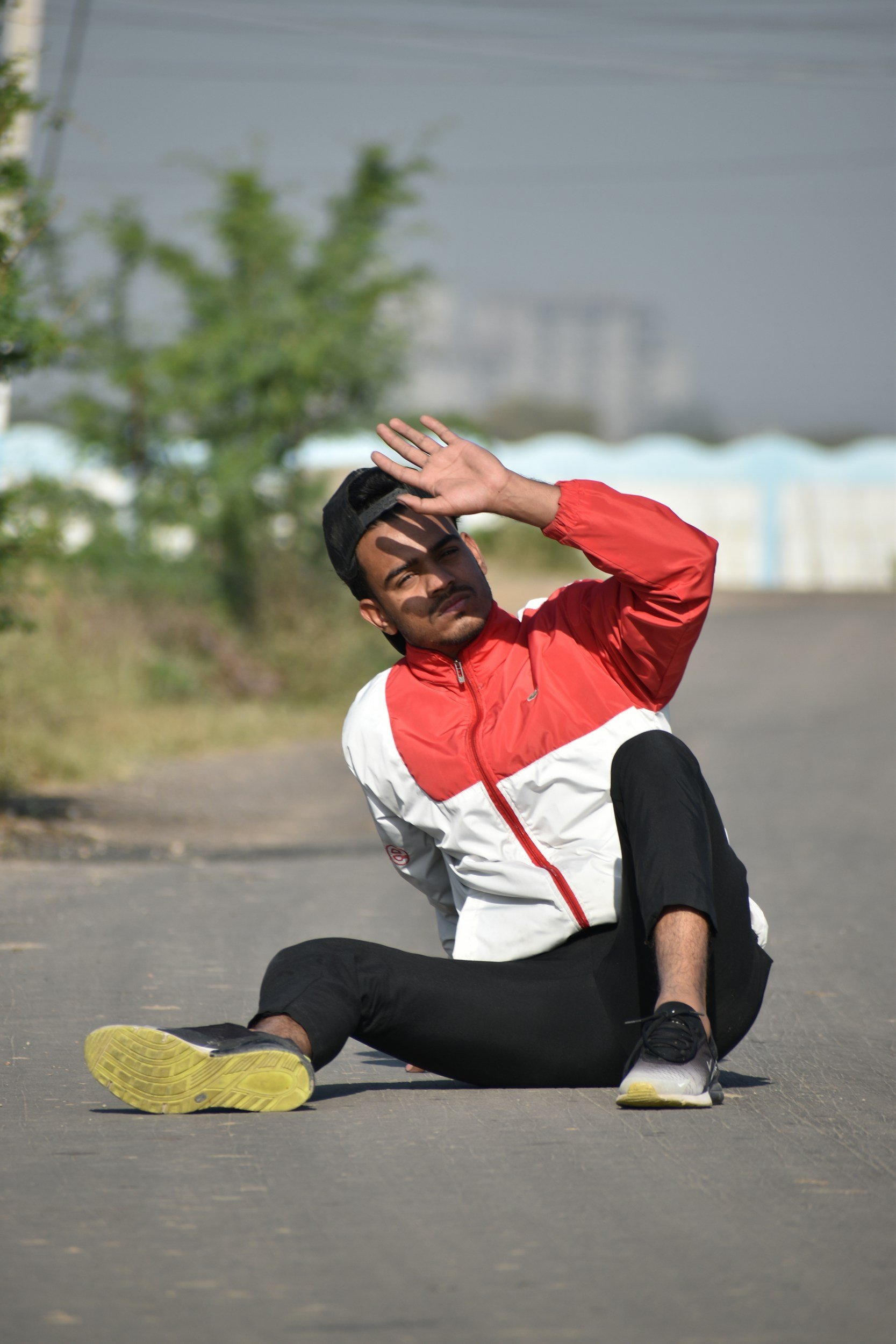
Dr. Marler commonly sees running-related issues such as:
shin splints,
IT band-related knee pain,
hip pain,
calf tightness,
Achilles irritation,
foot and ankle discomfort,
low back pain,
and recurring tightness or overload.
Shin splints
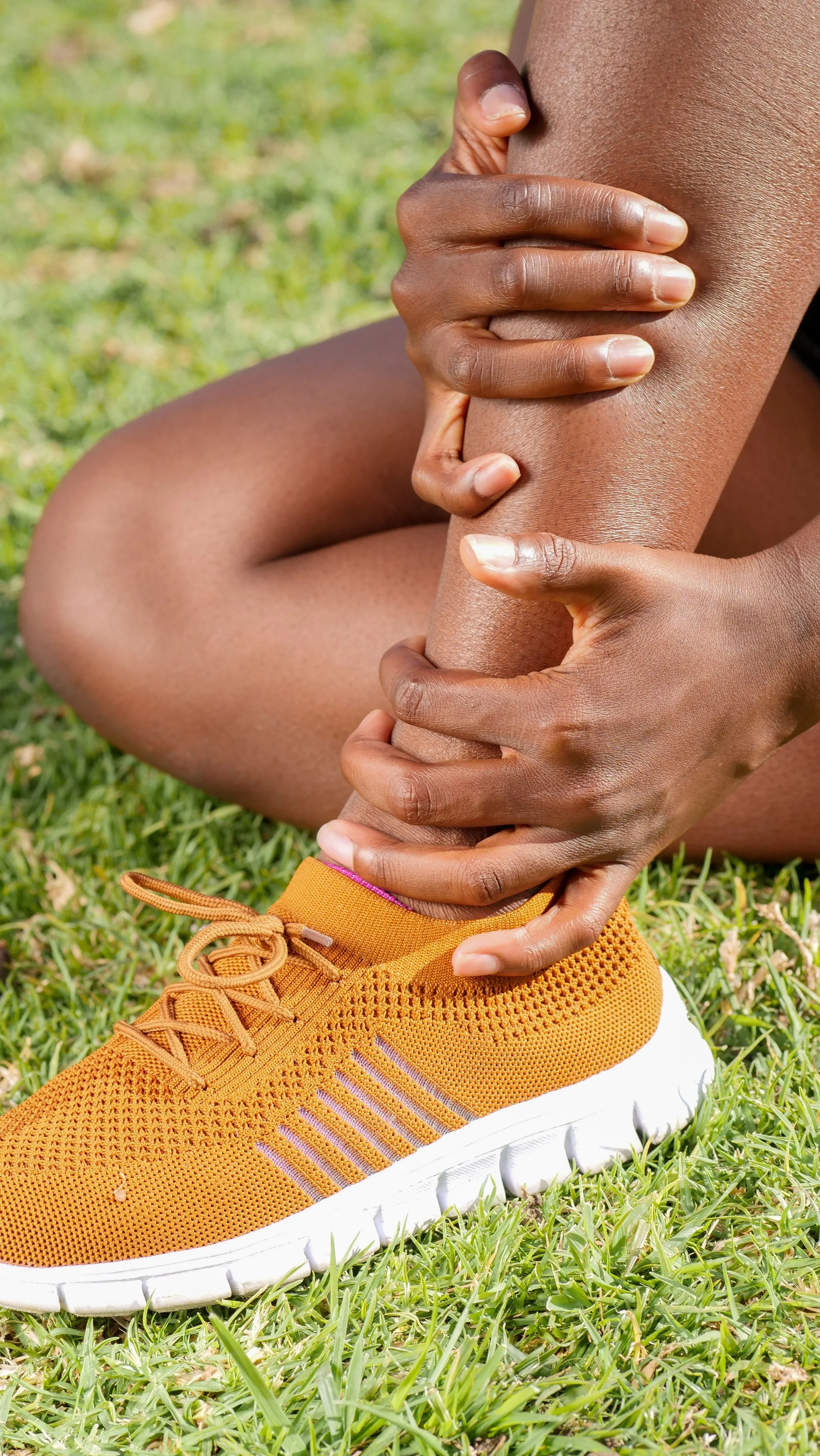
Shin splints often happen when the muscles along the front or inside of the shin are being asked to do more than they can currently tolerate.
Running places repeated demand on these muscles, especially during landing and control of the foot and ankle. If those tissues do not have enough capacity, they can become irritated.
If you are dealing with shin splint pain, Dr. Marler also has a dedicated blog on Shin Splint Injuries.
IT band-related knee pain
Many runners feel pain around the outside or front of the knee and assume the knee itself is the main problem.
But in many cases, the hip plays a major role.
The IT band connects from the hip region down toward the knee. If hip muscles are overloaded, tight, or not controlling movement well, the runner may feel symptoms at the knee even though the contributing factor is higher up.
That is why Dr. Marler often looks at the hips, single-leg stability, and overall movement rather than only treating the painful knee.
If you are dealing with IT band-related pain, Dr. Marler also has a dedicated blog on IT band-related Injuries.

The biggest mistake runners make
A common issue is that many runners only run.
They may build endurance, but neglect strength, mobility, elasticity, single-leg control, and tissue capacity. Over time, the body may not be prepared for changes in speed, hills, distance, terrain, fatigue, or training volume.
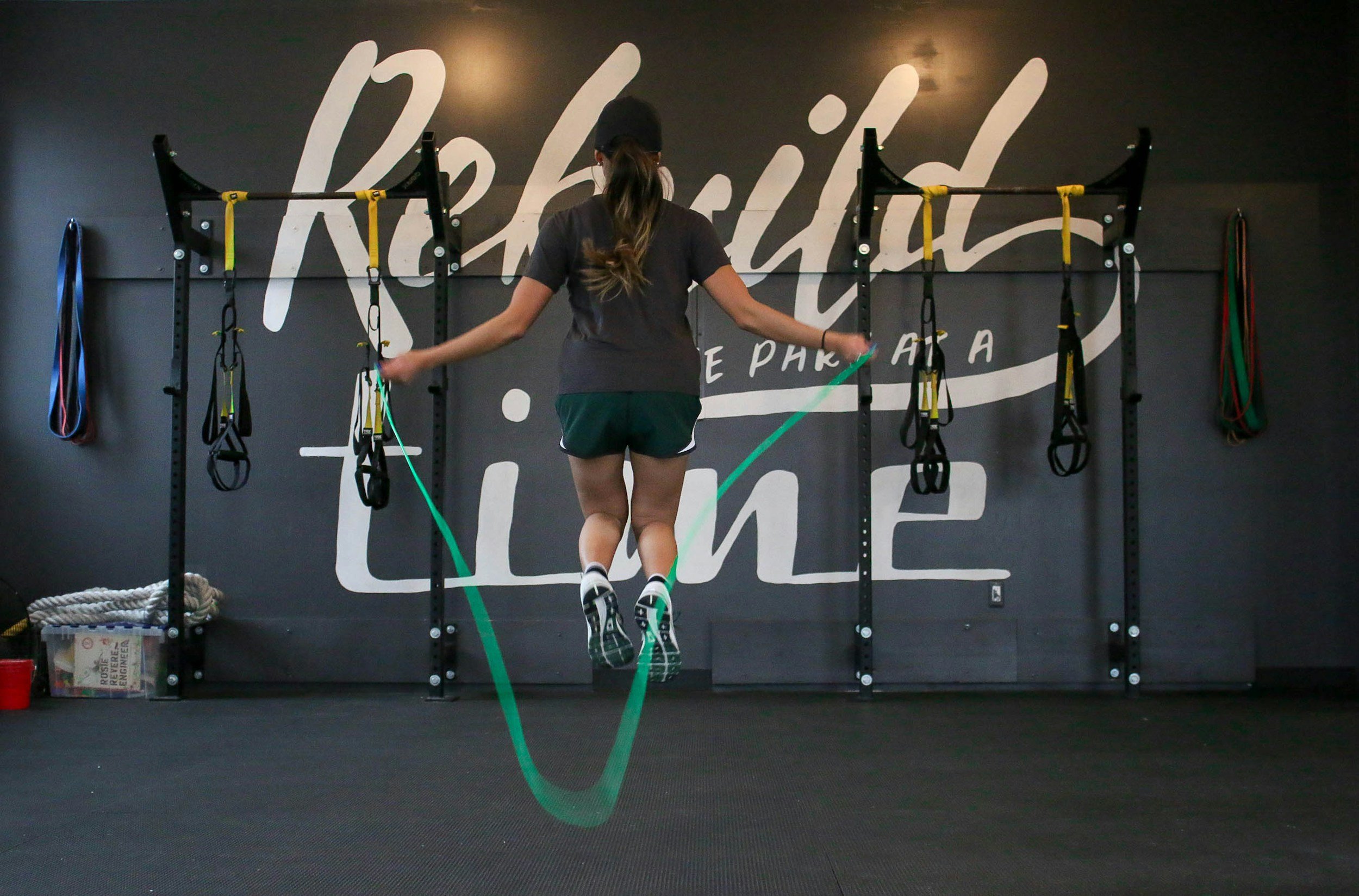
Runners often benefit from adding variety to training.
That may include:
strength training,
single-leg exercises,
calf strengthening,
shin strengthening,
hip stability work,
ankle mobility,
plyometrics,
and progressive return-to-running plans.


Returning to running after time off
Many people want to get back into running and immediately start running.
That can work for some, but for others it leads to frustration or injury.
If you have not run in a while, it may be useful to build capacity before increasing running volume. That could mean improving cardiovascular conditioning in ways that do not leave you far from home and exhausted, while also building muscular capacity in the calves, shins, hips, and supporting tissues.
A smart return-to-running plan can help reduce the chance of discouraging setbacks.
Do you have to stop running?
Not always.
Sometimes running needs to be reduced or paused temporarily, depending on the injury. But often, the plan can involve modifying mileage, intensity, terrain, frequency, or workout type.
A runner may temporarily adjust:
long runs,
tempo,
hills,
intervals,
weekly mileage,
or run frequency.
The right decision depends on the injury, symptoms, goals, and how the body responds.

Frequently asked questions
-
Chiropractic care may help runners by assessing movement, addressing joint and soft tissue restrictions, identifying contributing factors, and building a plan for strength, mobility, and return to running.
-
Not always. Some runners need temporary rest, but many can modify running rather than stop completely.
-
Shin splints may happen when the muscles and tissues around the shin are not prepared for the volume, intensity, or impact of running.
-
Running-related knee pain may come from the knee itself, but it can also be influenced by the hip, IT band, ankle mobility, single-leg control, and training load.
-
Many runners benefit from strength training, single-leg work, hip stability exercises, calf and shin strengthening, ankle mobility, and plyometrics.